Please read first. This page is general information, not medical advice. CBD products sold in UK shops, including ours, are sold as foods (including food supplements), cosmetics or vaping products. They are not medicines and are not sold to diagnose, treat, cure or prevent any illness, including pain. If you are in pain, speak to your GP or a pharmacist. If pain is sudden or severe, call NHS 111, or 999 in an emergency.
Customers in our Camden shop often ask us about CBD and pain.
The short answer
- No CBD product sold in shops is licensed as a treatment for pain, and no health claim for CBD is authorised in the UK.
- NICE advises doctors not to offer CBD for chronic pain in adults, unless as part of a clinical trial.
- The NHS says the evidence on medical cannabis and pain “is not yet strong enough to recommend it for pain relief”.
- If you live with pain, your GP or a pharmacist is the right first step. The NHS also has practical self-help advice, linked below.
UK rules on CBD and health claims
CBD products you swallow, such as oils, gummies and drinks, count as foods in the UK. In England and Wales, CBD food products can only stay on sale if they’re linked to a novel food application on the Food Standards Agency’s (FSA) public list. Being on the list doesn’t mean a product has been authorised or approved. CBD creams and balms are cosmetics, for caring for the skin.
None of them can be marketed as treating or preventing a medical condition. Only licensed medicines can, once the Medicines and Healthcare products Regulatory Agency (MHRA) has assessed and approved them. The Advertising Standards Authority (ASA) has ruled against CBD sellers who claimed or implied their products help with conditions such as anxiety and insomnia. It treats phrases such as “helps with”, “supports people with” or “reduces the symptoms of” a condition as medical claims.
The same rules cover customer reviews a shop chooses to publish, which is why we don’t publish customer stories about pain here.
What NICE and the NHS say about cannabis medicines and pain
NICE published its guidance on cannabis-based medicinal products (NG144) in November 2019. On chronic pain, it says:
“Do not offer CBD to manage chronic pain in adults unless as part of a clinical trial.”
It also advises against offering nabilone, dronabinol, THC, or CBD combined with THC to manage chronic pain in adults.
The NHS medical cannabis page says the evidence on medical cannabis and pain “is not yet strong enough to recommend it for pain relief”. It adds that in some cases it may be prescribed for pain as part of a clinical trial. This refers to prescribed medicines, not shop CBD products.
A small number of cannabis-based medicines are prescribed in the UK. On the NHS, they can only be prescribed by a specialist hospital doctor.
| Medicine | What the NHS says it is prescribed for |
|---|---|
| Epidyolex (a purified CBD medicine) | Rare forms of epilepsy, including Lennox-Gastaut syndrome and Dravet syndrome |
| Sativex (a mouth spray containing THC and CBD) | Muscle stiffness and spasms (spasticity) in multiple sclerosis that hasn’t got better with other treatments |
| Nabilone | Sickness and vomiting caused by chemotherapy |
Shop CBD products aren’t medicines, haven’t been assessed for safety and effectiveness as medicines, and aren’t a substitute for them. The NHS says there’s no guarantee that CBD products bought in shops are good quality or provide any health benefits.
If you’re living with pain: where to get help
Long-term pain is real and can affect every part of life. Places to get help include:
- Your GP, who can look into the cause of your pain, review your medicines and refer you to NHS pain services if needed.
- A pharmacist, who can advise on over-the-counter options and how they fit with medicines you already take.
- NHS 111, if you’re not sure where to go. Call 999 if pain is sudden and severe.
The NHS also publishes 10 ways to ease pain. They include gentle exercise, slow breathing, relaxation, a regular sleep routine, staying in touch with friends and family, support groups, and free NHS pain management courses.
FSA safety advice on CBD food products
This applies to everyone. It doesn’t mean CBD is suitable for pain.
- CBD products aren’t a substitute for prescribed treatment. Don’t stop or change any treatment without speaking to the person who prescribed it.
- Daily limit. The FSA and Food Standards Scotland advise healthy adults to limit CBD from food to 10mg a day. They say there’s evidence of some adverse impacts on the liver and thyroid.
- Who should not take CBD. The FSA advises against CBD for children, people who are pregnant or breastfeeding, and people trying to conceive.
- Medicines. The FSA advises people taking any medication not to take CBD unless they have spoken to a medical professional.
- Lab certificates. A certificate of analysis from an independent lab shows the measured levels of CBD, THC and other cannabinoids in a product. Our guide how to read a CBD lab report explains what each figure means.
- Driving. In England and Wales it is illegal to drive with more than 2 micrograms of THC per litre of blood, and in Great Britain it is illegal to drive when unfit through drugs. Even small amounts of THC in a product could show up in a drug test. Don’t drive if you feel unwell or think your driving could be affected for any reason.
Frequently asked questions
Does the NHS prescribe CBD for pain?
NICE advises doctors not to offer CBD to manage chronic pain in adults unless as part of a clinical trial. The cannabis-based medicines the NHS does prescribe, and what for, are listed in the table above.
Is CBD cream a treatment for pain?
No. CBD creams and balms sold in the UK are cosmetics. Cosmetics are for cleaning, protecting, perfuming or caring for the skin, and aren’t treatments for pain or any other condition. If you have a painful joint or muscle, speak to your GP, a pharmacist or a physiotherapist.
Is CBD legal in the UK?
CBD itself isn’t a controlled drug. THC and some other cannabinoids are, and a CBD product is only legal if it meets strict limits on these. In England and Wales, CBD food products must also be linked to an application on the FSA’s public list to stay on sale. The NHS warns that many cannabis-based products sold online may be illegal to possess or supply. CBD products can’t be sold as medicines. Our guide Is CBD legal in the UK? explains the rules in more detail.
Can CannaPower staff advise me about pain?
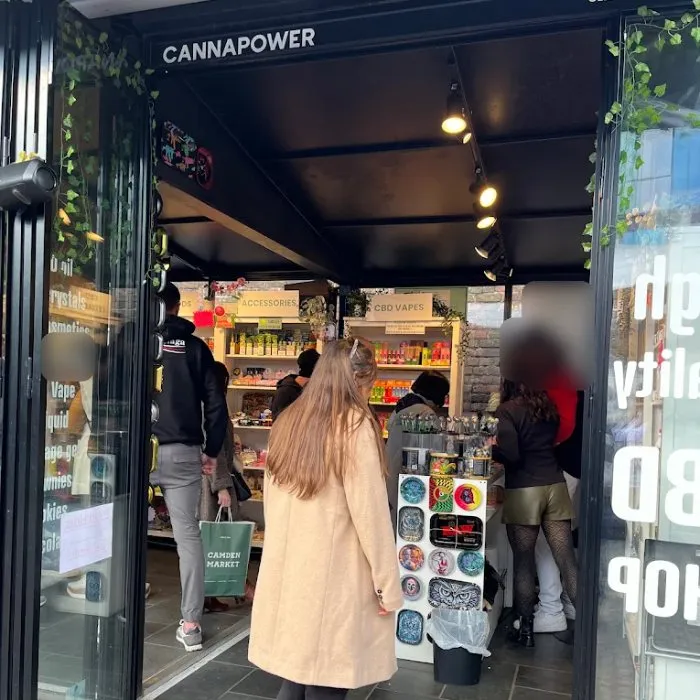
No. We’re a shop, not a clinic, and CBD products aren’t treatments. For pain, please speak to your GP or a pharmacist. What we can do in the shop is answer your questions about our products, let you try samples, and show you how to apply them and how to use devices.
Is CBD the same as medical cannabis?
No. Medical cannabis means licensed medicines prescribed by specialist doctors, such as those in the table above. Shop CBD products aren’t medicines and aren’t a substitute for them.
If you’d like to know more about CBD products in general, our guide Which CBD product is right for me? covers the different types, and how to read a CBD lab report shows you how to check what’s in a product. You’re also welcome to come and ask us in the shop: Unit 612, The Stables Market, Camden, open 11:00 to 19:00 every day.
Related: CBD and sleep: UK rules and NHS insomnia advice.
References
- National Institute for Health and Care Excellence (NICE). Cannabis-based medicinal products, guideline NG144, recommendations 1.2.1 to 1.2.3. Published November 2019.
- NHS. Medical cannabis (cannabis oil).
- NHS. 10 ways to ease pain.
- Food Standards Agency and Food Standards Scotland. FSA and FSS update consumer advice for CBD, 12 October 2023.
- Food Standards Agency. CBD products linked to novel food applications.
- Advertising Standards Authority. Food: CBD, health, nutrition and disease treatment claims.
- UK legislation. The Drug Driving (Specified Limits) (England and Wales) Regulations 2014, regulation 2.
- UK legislation. Road Traffic Act 1988, section 4: driving when unfit through drink or drugs.
Last reviewed: October 2026. We review this page at least once a year, and sooner if official guidance changes. Read our editorial policy or browse more CBD guides.