Arthritis affects around 10 million people in the UK. The stiffness, the aching, the mornings when it takes a while to get going: if you live with it, you know. So we’re not surprised how often people ask us about CBD for arthritis, quite often for a mum, dad or partner rather than themselves.
We’ve followed the research on cannabinoids for years, and we’d rather tell you straight than sell you something. These are the questions that come up most.
FAQ 1: Is CBD legal in the UK, and how can I take it?
Yes, CBD is legal in the UK. A CBD product can be sold as long as it’s made from permitted hemp and contains no more than 1mg of THC (and other controlled cannabinoids) per container. It comes in three main forms:
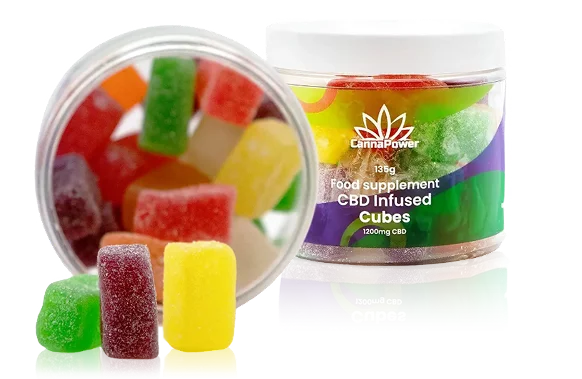
- By mouth: oils, capsules, gummies and other edibles and drinks. These are sold as food supplements.
- Vaping: CBD e-liquids and vape cartridges.
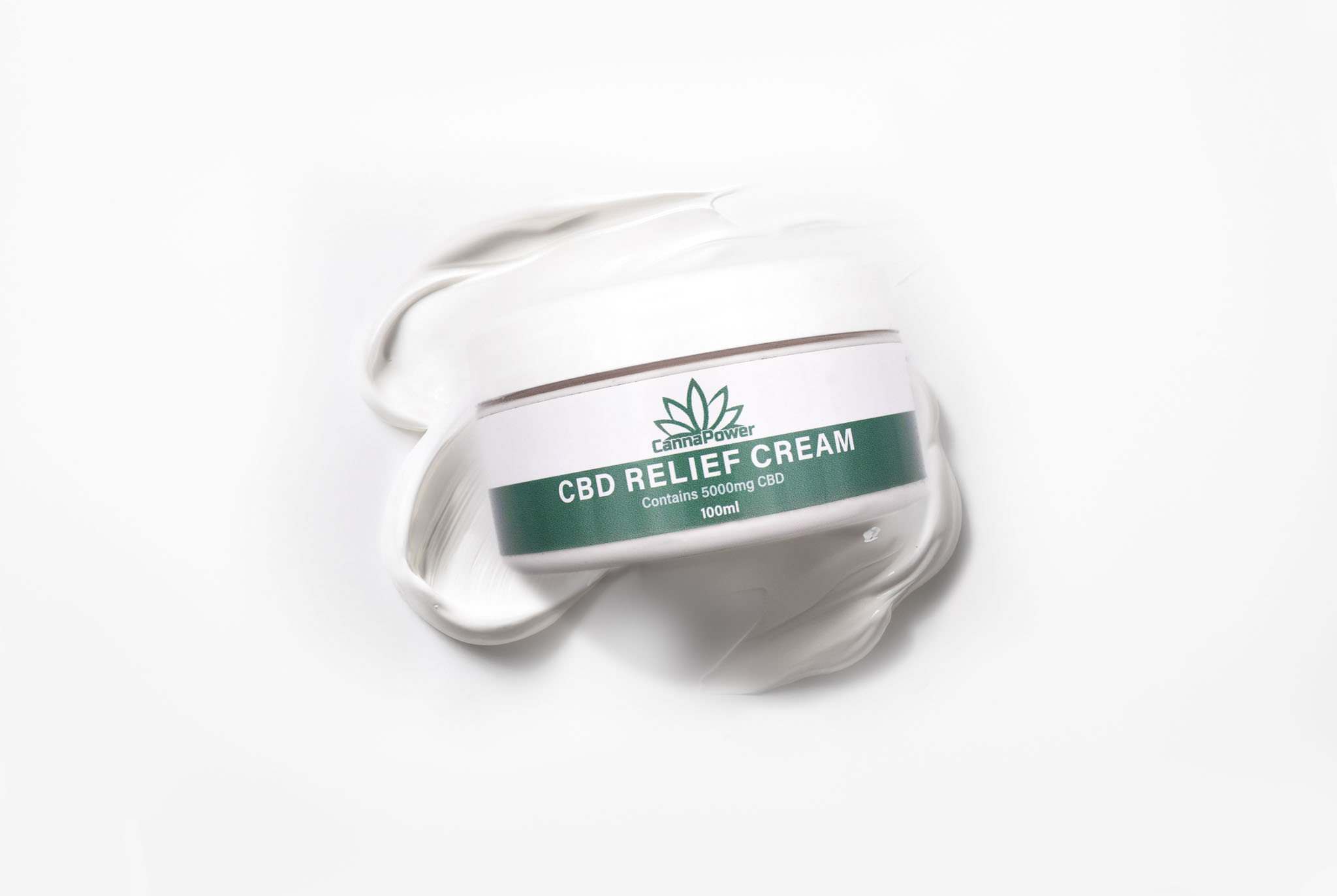
- On the skin: balms and creams, sold as cosmetics for massage and skincare.
The important thing to understand is that none of these are licensed medicines. That means no seller, including us, is allowed to say they treat, relieve or cure arthritis or joint pain, and you should be wary of anyone who does.
The endocannabinoid system: the body’s balancing network
Scientists only really got to grips with the endocannabinoid system (ECS) in the last thirty years. It runs right through the body and is involved in regulating things like pain signalling, immune activity, mood and sleep.
The ECS is made up of three parts: endocannabinoids (molecules your body makes itself), the receptors they bind to (CB1, found mostly in the nervous system, and CB2, found mostly in immune cells), and the enzymes that make and break them down.
Plant cannabinoids like CBD and CBG interact with this system in different ways, and that’s why researchers are interested in them for all sorts of conditions, including inflammatory conditions like arthritis. A 2020 review by Mlost and colleagues set out the many pathways CBD interacts with in the lab. But a mechanism in a lab dish is a long way from a treatment that works in people, and that gap is where most of the CBD and arthritis research currently sits.
FAQ 2: Does CBD actually work for arthritis?
We don’t know yet, and the best evidence so far is disappointing.
There’s plenty of interesting lab and animal research. Studies in rodents and in cells taken from people with arthritis have looked at how CBD and CBG affect inflammation in joint tissue. That work is a big part of why people are excited.
There are also surveys in which people with arthritis say they use CBD and feel it helps. Surveys are worth listening to, but they can’t separate the effect of CBD from the placebo effect, from people’s expectations, or from other changes they’ve made at the same time.
When it comes to proper trials in people, the picture is less encouraging. The largest well-designed trial so far, by Vela and colleagues in Denmark (published in 2022), gave around 130 people with hand osteoarthritis or psoriatic arthritis either CBD or a placebo every day for 12 weeks. There was no meaningful difference in pain between the two groups.
That’s why NICE, which advises the NHS, says CBD should not be offered to manage chronic pain in adults except as part of a clinical trial. If you have arthritis, your GP, physio or rheumatology team should always be your first stop. They can talk you through the treatments, exercise programmes and support that do have solid evidence behind them.
FAQ 3: What about sleep, tiredness and mood?
Arthritis rarely stops at the joints. It can disrupt sleep, leave you exhausted and wear down your mood. People often ask whether CBD can help with any of this. Again, CBD products sold in shops aren’t medicines and can’t be sold with claims like these, and the research on CBD for sleep and mood in people with arthritis is limited. If sleep, fatigue or low mood are getting on top of you, please talk to your GP. There’s often more help available than people realise.
FAQ 4: What about CBG?
CBG (cannabigerol) is another non-intoxicating cannabinoid from hemp that’s attracting a lot of research interest. A 2023 study by Lowin and colleagues, for example, looked at how CBG affects cells taken from the joints and blood of people with rheumatoid arthritis, grown in the lab.
It’s interesting work, but it was done in cells, not people, and there are no good human trials of CBG for arthritis yet. You’ll also read a lot about the “entourage effect”, the idea that cannabinoids work better together. It’s a popular theory, but it hasn’t been properly proven in people. You can read more about CBG in CBG vs CBD.
FAQ 5: If I want to try CBD, which type should I use?
That’s personal, and it’s about what fits your life rather than what “works best”, because there’s no good evidence that one form works better than another for arthritis.
- Creams and balms are popular with people who like a massage as part of their routine. Very little CBD gets into the bloodstream from the skin, which also means less chance of interacting with medicines.
- Oils let you adjust the amount one drop at a time and are good value per mg.
- Gummies give you exactly the same amount every time, which many people find easier to keep track of.
If you have arthritis in your hands, think about packaging too. Dropper bottles can be fiddly, and some people find a gummy or a pump-top cream much easier.
FAQ 6: How much CBD should I take?
The Food Standards Agency advises healthy adults to have no more than 10mg of CBD a day from food products such as oils, capsules, gummies and drinks. That’s based on the evidence about long-term safety, and it’s the figure we’d stick to. Start low, keep track of how much you’re having across all your products, and don’t be tempted by much higher amounts you might read about online.
Topical creams and balms are cosmetics, so the 10mg figure doesn’t apply to them. There’s more detail in How much CBD should I take?
FAQ 7: Will CBD interact with my arthritis medication?
It can. If you only read one part of this page, make it this one.
CBD you swallow is broken down in the liver by a group of enzymes (the cytochrome P450 family) that also process many common medicines. CBD can slow these enzymes down, which can change the levels of other drugs in your blood. That’s particularly relevant for blood thinners such as warfarin, and it may matter for some other medicines people with arthritis take.
The FSA advises that anyone taking medication shouldn’t use CBD food products unless under medical direction. Please speak to your GP or pharmacist before trying CBD if you take anything regularly. Bring the product with you so they can see exactly what’s in it.
FAQ 8: Will CBD make me high?
No. CBD and CBG don’t cause a high. The compound in cannabis that does is THC, and legal UK products can contain no more than 1mg of it per container.
FAQ 9: Is CBD safe?
For most healthy adults at modest amounts, CBD is generally well tolerated. Reported side effects include tiredness, dry mouth, diarrhoea and changes in appetite. At higher amounts it has been linked to effects on the liver, which is one of the reasons the FSA lowered its advice to 10mg a day in 2023.
The FSA doesn’t recommend CBD for people who are pregnant, breastfeeding or trying to conceive, for under-18s, or for anyone taking medication, unless under medical direction.
Safety and product quality: a checklist
- Start low. Know exactly how many mg you’re taking.
- Check the lab report. A certificate of analysis from an independent lab should confirm the CBD content and show THC within UK limits. Ours are linked on every product page.
- Check THC. The UK limit is 1mg per container. The “0.3%” figure you’ll see online is a US rule.
- Buy from someone who’ll answer your questions.
- Talk to your doctor or pharmacist, especially if you take any medication.
Where that leaves you
CBD isn’t a treatment for arthritis, and the best human trial so far didn’t find it helped with pain. The lab research is interesting and the work continues, but it isn’t proof. If you’d still like to try CBD as part of your routine, do it with your GP’s or pharmacist’s knowledge, keep within 10mg a day for products you swallow, and buy lab-tested products from someone who’ll be straight with you.
If you’d like to talk it through, come and see us at our shop in the Stables Market, Camden. We’ll tell you what CBD can’t do as well as what it can.
Disclaimer: this article is general information and is not intended to diagnose, treat, cure or prevent any disease, or to replace advice from your doctor. CBD is sold as a food supplement or cosmetic, not a medicine.
References
- Vela J. et al. (2022). Cannabidiol treatment in hand osteoarthritis and psoriatic arthritis: a randomized, double-blind, placebo-controlled trial. Pain, 163(6): 1206–1214. https://doi.org/10.1097/j.pain.0000000000002466
- NICE (2019, updated 2021). Cannabis-based medicinal products (NG144). https://www.nice.org.uk/guidance/ng144
- Mlost J., Bryk M. & Starowicz K. (2020). Cannabidiol for pain treatment: focus on pharmacology and mechanism of action. International Journal of Molecular Sciences, 21(22): 8870. https://doi.org/10.3390/ijms21228870
- Lowin T. et al. (2023). Anti-inflammatory effects of cannabigerol in rheumatoid arthritis synovial fibroblasts and peripheral blood mononuclear cell cultures are partly mediated by TRPA1. International Journal of Molecular Sciences, 24(1): 855. https://doi.org/10.3390/ijms24010855
- Luz-Veiga et al. (2023). Beyond pain relief: a review on cannabidiol potential in rheumatic diseases. Pharmaceuticals, 16(2): 155. https://doi.org/10.3390/ph16020155
- Roseti L. et al. (2024). Cannabinoids in the inflamed synovium as targets for treating rheumatic diseases. International Journal of Molecular Sciences, 25(17): 9356. https://doi.org/10.3390/ijms25179356
- Food Standards Agency. Cannabidiol (CBD): consumer advice. https://www.food.gov.uk/safety-hygiene/cannabidiol-cbd
- Food Standards Agency (2023). FSA and FSS update consumer advice for CBD. food.gov.uk
- Home Office. Drug licensing factsheet: cannabis, CBD and other cannabinoids. gov.uk