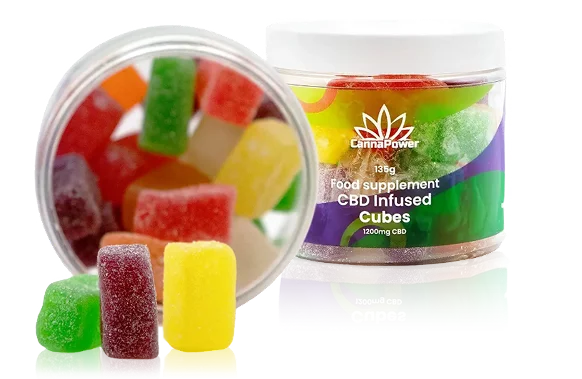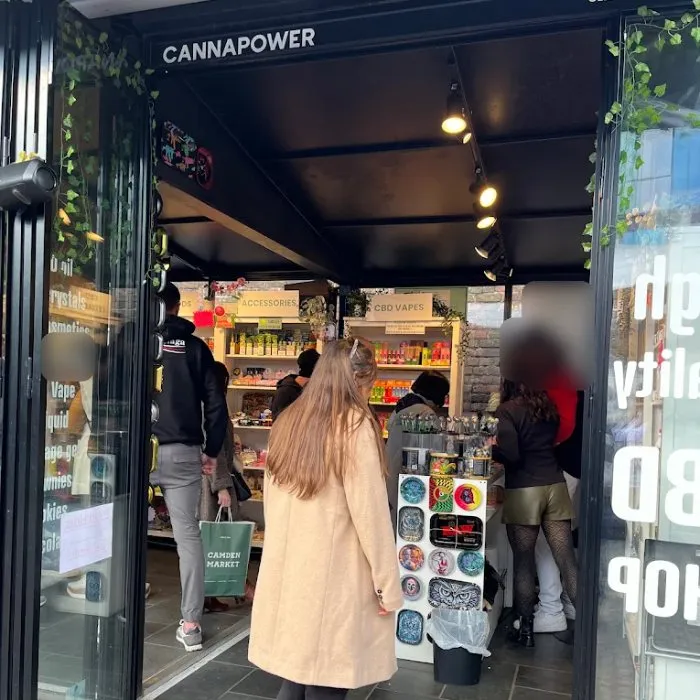
Please read first. This page is general information, not medical advice. CBD products sold in UK shops, including ours, are sold as foods (including food supplements), cosmetics or vaping products. They are not medicines and are not sold to diagnose, treat, cure or prevent any illness, including insomnia or other sleep problems. If poor sleep is affecting your daily life, please speak to your GP.
Customers in our Camden shop often ask us about CBD and sleep.
- No CBD product is licensed for sleep problems in the UK, and no health claim for CBD is on the GB register of authorised claims.
- The NHS suggests changing your sleep habits first, and seeing a GP if that doesn’t help. A GP may offer cognitive behavioural therapy (CBT) for insomnia. GPs now rarely prescribe sleeping pills.
What the NHS recommends for sleep problems
The NHS insomnia page suggests trying these changes first:
| Do | Avoid |
|---|---|
| Go to bed only when you feel sleepy | Smoking, alcohol, tea or coffee in the 6 hours before bed |
| Relax for at least an hour before bed, for example with a bath or a book | Watching TV or using your phone just before bed |
| Keep your bedroom dark and quiet; curtains, blinds, an eye mask or earplugs can help | Napping during the day |
When to see a GP
See your GP if changing your habits hasn’t helped, if you’ve had trouble sleeping for months, or if it’s making daily life hard to cope with. A GP will try to find out what’s causing your insomnia so you get the right treatment. They may offer:
- Cognitive behavioural therapy (CBT) for insomnia. This helps change the thoughts and behaviours that keep you awake. It can be face to face or an online self-help programme. NICE has said that Sleepio, a digital CBT programme, can be used in the NHS for insomnia in primary care.
- Sleeping pills, rarely. The NHS says GPs now rarely prescribe them, and when they do, it’s only for a few days, or weeks at the most.
What UK law lets a CBD shop say about sleep
CBD products you swallow, such as oils, gummies and drinks, are sold as foods in the UK. CBD creams are sold as cosmetics. None of them can be marketed as treating or preventing a medical condition. Insomnia is a medical condition. Only licensed medicines can make that kind of claim, once the Medicines and Healthcare products Regulatory Agency (MHRA) has approved them.
Food products also can’t make general health claims, such as claims about energy, mood or sleep, unless the claim is on the government’s register of authorised claims. No CBD claim is on that register. The Advertising Standards Authority (ASA) has ruled against CBD sellers who claimed or implied their products help with insomnia.
The same rules cover customer reviews a shop chooses to publish, which is why we don’t publish customer stories about sleep here.
FSA safety advice on CBD products
This applies to everyone. It doesn’t mean CBD is suitable for sleep problems.
- CBD products aren’t a substitute for prescribed treatment. Don’t stop or change any treatment without speaking to the person who prescribed it.
- Daily limit. The FSA and Food Standards Scotland advise healthy adults to limit CBD from food to 10mg a day. They say there’s evidence of some adverse impacts on the liver and thyroid.
- Who should not take CBD. The FSA advises against CBD for children, people who are pregnant or breastfeeding, and people trying to conceive.
- Medicines. The FSA advises people taking any medication not to take CBD unless they have spoken to a medical professional.
- Lab certificates. A certificate of analysis from an independent lab shows the measured levels of CBD, THC and other cannabinoids in a product. Our guide how to read a CBD lab report explains what each figure means.
- Driving. In England and Wales it is illegal to drive with more than 2 micrograms of THC per litre of blood, and in Great Britain it is illegal to drive when unfit through drugs. Even small amounts of THC in a product could show up in a drug test. Don’t drive if you feel unwell or think your driving could be affected for any reason.
Frequently asked questions
Is CBD a sleeping pill?
No. CBD products sold in shops aren’t medicines. No CBD product is licensed in the UK to treat insomnia or any other sleep problem.
Can I take CBD if I take medicines?
Speak to your GP or pharmacist first. The FSA advises people taking any medication not to take CBD unless they have spoken to a medical professional.
Does the NHS prescribe CBD or medical cannabis for sleep?
No. The NHS lists cannabis-based medicines for rare forms of epilepsy, muscle spasticity in multiple sclerosis, and sickness caused by chemotherapy. They’re prescription medicines, not the CBD products sold in shops. On the NHS, they can only be prescribed by a specialist hospital doctor.
What daily limit does the FSA advise for CBD?
The FSA advises healthy adults to limit CBD from food to 10mg a day. Some people should avoid CBD altogether: see the safety advice above.
Can CannaPower staff advise me about sleep problems?
No. We’re a shop, not a clinic, and CBD products aren’t treatments. For sleep problems, please speak to your GP or a pharmacist. In the shop, we can answer your questions about our products.
Where to go next
If you’d like to know more about CBD products in general, our guide Which CBD product is right for me? covers the different types, and how to read a CBD lab report shows you how to check what’s in a product.
You’re also welcome to come and ask us in the shop: Unit 612, The Stables Market, Camden, NW1 8AH, open 11:00 to 19:00 every day.
References
- NHS. Insomnia.
- National Institute for Health and Care Excellence (NICE). Sleepio to treat insomnia and insomnia symptoms (MTG70): information for the public.
- NHS. Medical cannabis (cannabis oil).
- Food Standards Agency and Food Standards Scotland. FSA and FSS update consumer advice for CBD, 12 October 2023.
- Advertising Standards Authority. Food: CBD, health, nutrition and disease treatment claims.
- UK legislation. The Drug Driving (Specified Limits) (England and Wales) Regulations 2014, regulation 2.
- UK legislation. Road Traffic Act 1988, section 4: driving when unfit through drink or drugs.
Last reviewed: November 2026. We review this page at least once a year, and sooner if official guidance changes.