Every CBD product label says one of three things: full spectrum, broad spectrum or isolate. They describe what else from the hemp plant is in the bottle besides CBD.
The short answer
| Full spectrum | Broad spectrum | CBD isolate | |
|---|---|---|---|
| CBD | Yes | Yes | Yes, on its own |
| Other cannabinoids (CBG, CBN, CBC) | Yes | Yes | No |
| Terpenes (plant aromas) | Yes | Usually | No |
| THC | Trace amounts, below the UK limit | Removed (not detected) | None |
| Taste | Earthy, “hempy” | Milder | Almost none |
Full spectrum CBD
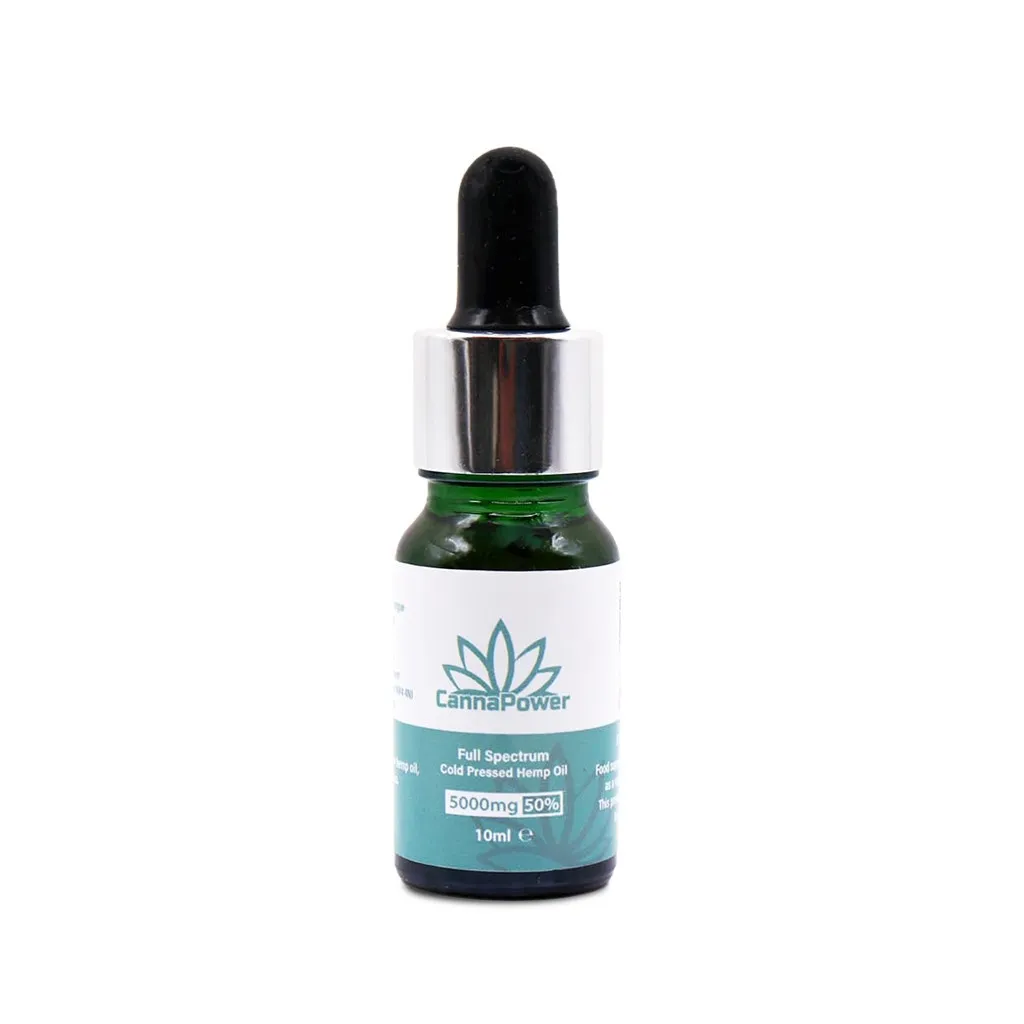
Full spectrum extracts keep most of what the hemp plant naturally contains: CBD plus smaller amounts of other cannabinoids such as CBG, CBN and CBC, along with terpenes and flavonoids. Some people prefer full spectrum because it’s closer to the whole plant, and you’ll often see the phrase “entourage effect” used for the idea that these compounds work together. That idea is still being studied, so treat it as a theory rather than a promise.
Full spectrum products can contain trace amounts of THC. In the UK, finished CBD products must not contain more than 1mg of controlled cannabinoids such as THC per container, so a properly made and tested product stays within the law. The lab report is how you check (see below).
Broad spectrum CBD
Broad spectrum starts the same way as full spectrum, then has the THC taken out. You keep CBD and the other cannabinoids and most of the terpenes, without detectable THC. It suits people who want more than CBD alone but would rather avoid THC completely, for example because of workplace drug tests. No product can promise a negative drug test, so if testing matters to you, check the lab report carefully.
Browse broad spectrum CBD oils
CBD isolate
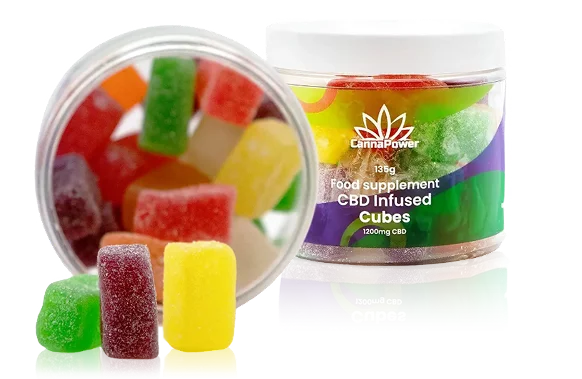
Isolate is CBD on its own, usually 99% pure, made by stripping out everything else. It has almost no taste or smell, which is why it’s common in gummies, drinks and sweets. Because it contains only CBD, it’s the easiest to dose precisely.
Which one should I choose?
- You want the whole-plant option: full spectrum.
- You want the other cannabinoids but no THC: broad spectrum.
- You want no taste and an exact amount: isolate, often in gummies.
- You’re new to CBD: any of them at a low strength. Our guide How much CBD should I take? explains the FSA’s advice.
None of these is “better” than the others. They’re different preferences. CBD products are food supplements or cosmetics, not medicines, and are not intended to diagnose, treat, cure or prevent any disease.
How to check the label and lab report
- Look for the word: full spectrum, broad spectrum or isolate should be on the label or product page.
- Open the lab report (certificate of analysis) and find the cannabinoid table. Full spectrum shows several cannabinoids; broad spectrum shows several but THC as “ND” (not detected); isolate shows CBD only.
- Check the THC line against the UK 1mg-per-container limit.
- Check the date and batch number match the product.
Our guide How to read a CBD lab report walks through a real certificate line by line, and every CannaPower product page links to its lab reports.
FAQs
Is full spectrum CBD legal in the UK?
Yes, as long as the finished product stays within the UK limit for THC and other controlled cannabinoids, and food products are on the FSA’s public list. Our guide Is CBD legal in the UK? covers the rules.
Will full spectrum CBD make me feel high?
Products sold legally in the UK contain only trace THC, well below the amount associated with feeling high.
What does “THC-free” mean?
It usually means THC was not detected in lab testing. Look for “ND” next to THC on the lab report.
Can I see them in the shop?
Come and see us at Unit 612, The Stables Market, Camden (NW1 8AH), open every day 11:00 to 19:00. We can show you the labels and lab reports side by side.