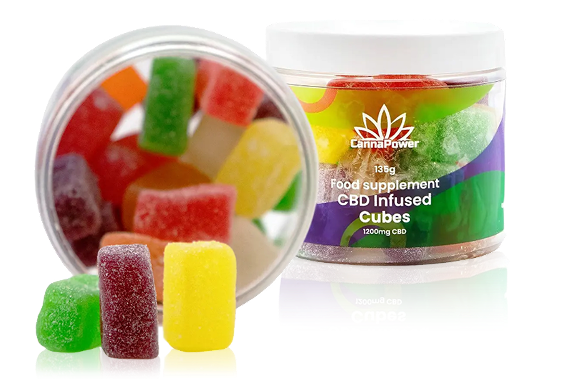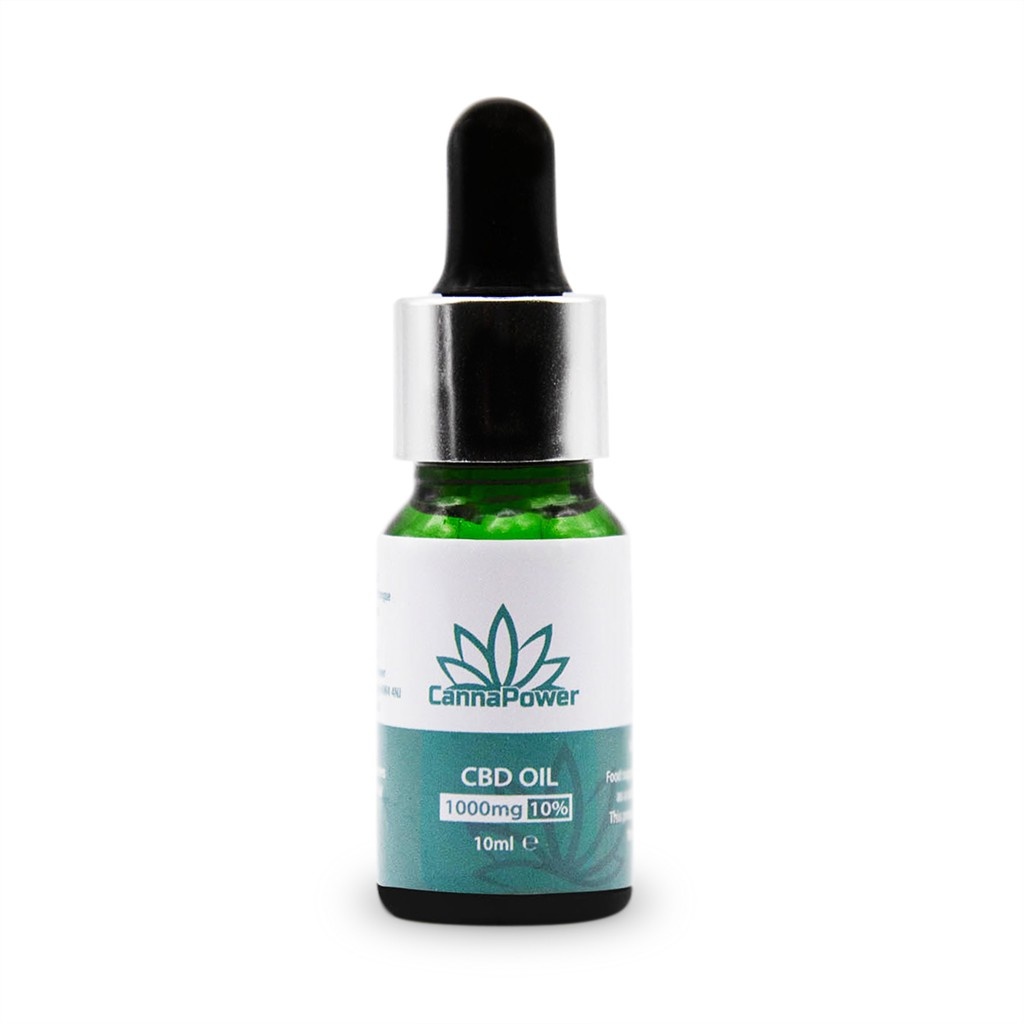
“Is this actually legal?” Someone asks us that most days, usually quite quietly, as if they expect the answer to be no. Cannabis is a controlled drug in the UK, CBD comes from the same plant, and the rules have been changing for years. In September 2026 the Food Standards Agency (FSA) took one of the biggest steps yet, recommending that ministers authorise the first CBD food products.
This is where things stand in October 2026.
Is CBD legal in the UK?
Yes, CBD is legal to buy, sell and use in the UK. CBD (cannabidiol) itself isn’t a controlled drug. But a CBD product has to meet a few conditions to be legal:
- It must contain no more than 1mg of THC (and other controlled cannabinoids) in the whole container.
- It must be made from permitted hemp, not from cannabis flowers grown illegally.
- If it’s something you eat or drink, it has to follow the FSA’s novel food rules.
- It can’t be sold with medical claims, because it isn’t a licensed medicine.
The THC rule: 1mg per container, not 0.2%
THC (tetrahydrocannabinol) is the compound in cannabis that gets you high, and it’s a controlled drug. Hemp extracts naturally contain a little of it, so the law needs a way to allow tiny traces.
Under the Misuse of Drugs Regulations 2001, a product counts as an “exempt product” if, among other conditions, it contains no more than 1mg of any controlled cannabinoid per container, and that substance can’t be easily recovered from it. In practice, that means a legal 10ml bottle of CBD oil can contain at most 1mg of THC in total.
You’ll often see “less than 0.2% THC” quoted as the UK rule. It isn’t. The Home Office has said clearly that the 0.2% figure relates to the THC content of the hemp plants farmers are licensed to grow, not to finished products. And the “0.3%” you’ll see on American websites is a US rule that has nothing to do with the UK.
This is one reason we always tell people to look at the lab report. A full spectrum oil can be perfectly legal in the US and still be over the UK limit.
Where the CBD comes from
In the UK, hemp farmers can be licensed to grow low-THC varieties, but they can only use the stalks and seeds. The flowers and leaves, which are where most of the CBD is, can’t legally be processed here. So most CBD extract used in UK products is imported from countries where extracting it from the flower is allowed, then made into products here or abroad.
This is also why selling hemp flower (“CBD buds”) for smoking is legally risky in the UK, even when its THC content is low.
Novel foods: the FSA’s rules for oils, gummies and drinks
This is the part that has changed the most.
In 2019 CBD extracts were classed as a novel food, meaning a food that wasn’t widely eaten in the UK or EU before May 1997. Novel foods need to be authorised before they can be sold. Rather than pull every CBD product off the shelves, the FSA set up a temporary system in England and Wales.
The public list
Businesses had to apply for authorisation by 31 March 2021. Products linked to a credible application were added to a public list, and the FSA asked local councils to concentrate enforcement on CBD foods that weren’t on it. Being on the list doesn’t mean a product is approved. It means it’s linked to an application that’s still going through the process.
September 2026: the first authorisations recommended
At its September 2026 board meeting, the FSA recommended that ministers in England and Wales authorise three high-purity CBD ingredients as novel foods, with conditions. The final decision now sits with ministers. Around 3,000 products on the public list are linked to those three applications. The FSA has also said it will issue enforcement guidance to councils, and it continues to advise them to prioritise products that aren’t on the list.
The 10mg a day limit
In October 2023 the FSA and Food Standards Scotland cut their advice for healthy adults from 70mg to 10mg of CBD a day, after advice from independent scientific committees on long-term safety. The September 2026 recommendations keep 10mg a day as a provisional acceptable daily intake and say authorised products should carry it on the label, along with warnings for:
- under-18s;
- people who are pregnant, breastfeeding or trying to conceive;
- people taking medication or who are immunosuppressed.
Plenty of people don’t know about this limit. In an FSA survey published in December 2025, almost one in five adults in England, Wales and Northern Ireland said they’d used CBD in the past year, but only 40% of them were aware of the 10mg advice.
Scotland and Northern Ireland follow their own processes, but the 10mg consumer advice applies across the UK.
What about creams, vapes and other products?
The novel food rules only cover things you eat or drink. CBD creams and balms are regulated as cosmetics and have to meet cosmetics law instead. Vape products fall under the rules for e-cigarettes and e-liquids. The THC rule applies to all of them.
No medical claims
CBD products sold in shops aren’t licensed medicines. If a product is sold with claims that it treats, prevents or cures an illness, the MHRA can treat it as an unlicensed medicine, and advertising rules (enforced by the ASA) forbid those claims too. That’s why reputable sellers, us included, won’t tell you CBD is “for” pain, anxiety or sleep. If a website does, it’s a red flag about how carefully it follows the rest of the rules.
There is one licensed CBD medicine in the UK, Epidyolex, which is prescribed by specialists for certain rare forms of epilepsy. It’s a prescription medicine and completely separate from the CBD you can buy over the counter.
What this means when you’re shopping
| Check | What to look for |
|---|---|
| THC | A lab report showing THC within the 1mg per container limit |
| Strength | Total mg of CBD on the label, and mg per drop, gummy or serving |
| FSA list | For food products sold in England and Wales, a product linked to a novel food application |
| Claims | No promises to treat or cure anything |
| Seller | A UK business you can contact, ideally one that will show you the lab report before you buy |
Our lab reports are linked on every product page. If you’d like help reading one, see our guide to reading a CBD lab report, or come and ask us in the shop.
FAQs
Can I drive after taking CBD?
CBD itself isn’t intoxicating, and it isn’t covered by UK drug-driving limits. THC is, and the legal limit for THC in the blood is very low. Products with trace THC are very unlikely to put you over, but if you feel drowsy for any reason, don’t drive.
Will CBD show up on a drug test?
Drug tests look for THC, not CBD. Products with trace THC could, with heavy regular use, lead to a positive result, so if you’re tested for work or sport, choose broad spectrum or isolate products and check with your employer first. There’s more in How long does CBD stay in your system?
Can I take CBD abroad?
Rules vary hugely between countries. In some, any cannabis-derived product is illegal. Always check the law at your destination, and the airline’s rules, before you pack it.
Can I give CBD to my dog or cat?
CBD products for animals have their own rules and aren’t veterinary medicines. Always speak to your vet first. Our pet range includes the full guidance on each product page.
Is CBG legal too?
Yes. CBG isn’t a controlled drug, and the same THC, novel food and no-claims rules apply. See CBG vs CBD.
Is it legal to buy CBD under 18?
The FSA doesn’t recommend CBD for under-18s, and we don’t sell to anyone under 18.
If you’ve got a question we haven’t covered, come and see us at our shop in the Stables Market, Camden, open every day from 11am to 7pm. Or browse our oils, gummies and skin care online.
This article is general information about UK rules as of October 2026, not legal or medical advice. Regulations change, so check the FSA and GOV.UK for the latest position. CBD products are sold as food supplements or cosmetics, not medicines, and are not intended to diagnose, treat, cure or prevent any disease.
References
- Food Standards Agency (September 2026). CBD novel food applications: recommendations to ministers on first authorisations. gov.uk
- Food Standards Agency (October 2023). FSA and FSS update consumer advice for CBD. food.gov.uk
- Food Standards Agency. Cannabidiol (CBD). https://www.food.gov.uk/safety-hygiene/cannabidiol-cbd
- Food Standards Agency (2022). FSA publishes updated public list of CBD products. food.gov.uk
- Home Office. Drug licensing factsheet: cannabis, CBD and other cannabinoids. gov.uk
- The Misuse of Drugs Regulations 2001, regulation 2 (exempt products). legislation.gov.uk
- MHRA. A guide to what is a medicinal product. gov.uk
- GOV.UK. Drugs and driving: the law. https://www.gov.uk/drug-driving-law
- Food Standards Agency / Ipsos (December 2025). Use of CBD products. science.food.gov.uk