Arthritis affects million people worldwide. The persistent pain, stiffness, and
limited mobility are a daily struggle.
While conventional treatments such as NSAIDs, corticosteroids, and DMARDs can relieve symptoms, side affects are frequent and might affect gastro, cardiovascular, bone and metabolic health as well as skin and haematology or a simple case of lose in effectiveness over time.
Over the last decade, I’ve watched with interest as research has begun to seriously explore how cannabinoids specifically cannabidiol (CBD) and cannabigerol (CBG) might offer a new path forward. Can they reduce inflammation, ease pain, reduce stress and anxiety and by doing this improve sleep and quality of life for so many?
FAQ 1 – Is CBD legal and how can I legally consume CBD in the UK?
Yes, CBD is legal in the UK, as long as the THC and CBN levels do not exceed 1mg per container. CBD can be legally consumed in the UK through various formats.
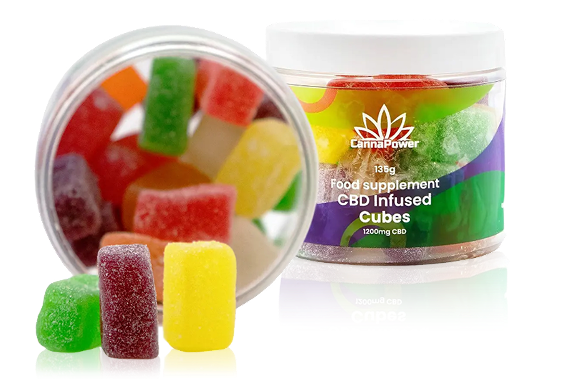
Oral Ingestion: This includes oils, tinctures, capsules, gummies, and other edibles (e.g., drinks, sweets).
Inhalation (Vaping): CBD E-liquids and vape cartridges offer the fastest onset of effects, as the CBD is absorbed directly into the lungs and bloodstream.
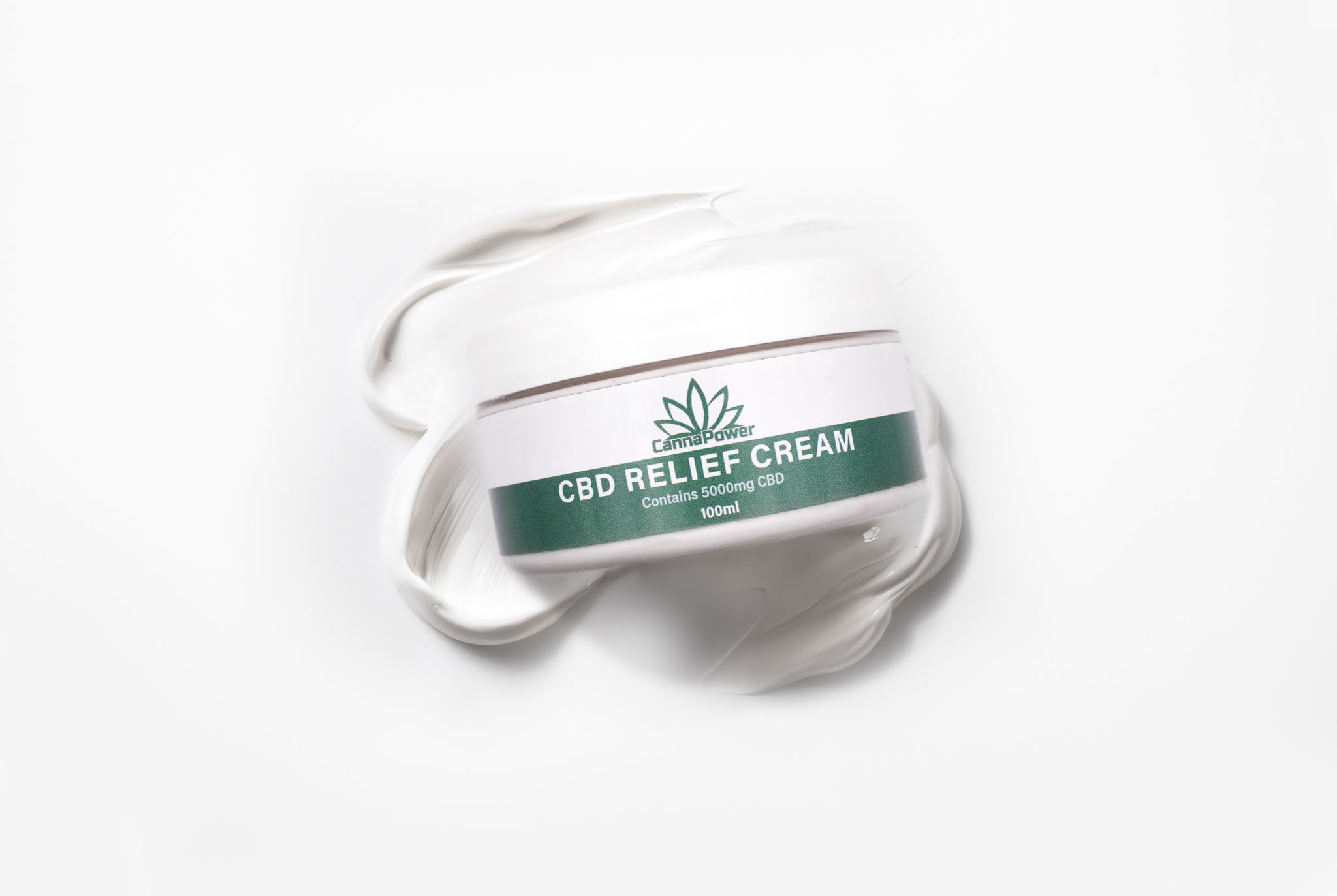
Topical Application: Balms, creams, and lotions are applied directly to the skin, offering localized relief for muscle and joint pain.
Now that that is out of the way, lets understand more about:
– How CBD helps with arthritis pain
– Does CBD help with other symptoms
– What CBD products should I use
– How much CBD should I take
– Is CBD safe
– Will I get high from taking CBD
– Can I take CBD if I am taking other medication
– What is the best way to take CBD
The Endocannabinoid System (ECS): The Body’s Balancing Network
We have a magical body, full of systems and organs that continually amaze me. Have you ever heard of The endocannabinoid system (ECS) ? This system runs throughout our body and is fundamental in order to keep our body running smoothly. This amazing system helps regulate pain, immune activity, mood, and sleep. This system includes endocannabinoids, their receptors (CB1 in the nervous system and CB2 in immune tissues), and related enzymes.
When the ECS becomes dysregulated as it often does in chronic inflammatory conditions such as arthritis.
CBD and CBG, as well as all other cannabinoids, indirectly support ECS function by enhancing endocannabinoid signalling and modulating receptor activity.
A 2020 study by Mlost et al. found that CBD influences multiple pain- and inflammation-related pathways, making it relevant to both inflammatory and neuropathic pain models (International Journal of Molecular Sciences, 21(22): 8870)
FAQ 2 -Does CBD Actually Work for arthritis?
Significant number of arthritis patients report finding benefits with CBD.
https://www.arthritis.org/news/patients-tell-us-cbd-use
Lets look at 3 main aspects:
Pain Relief: Pain is the primary reason people use CBD (94% of users)
Beyond Pain: Users report improved sleep quality (71% of users) and reduced anxiety (77% of users) and Improvement in physical function( 67%)
https://pmc.ncbi.nlm.nih.gov/articles/PMC9400326/#:~:text=The%20overall%2
0cohort%20reported%20a,arthritis%20and%20other%20autoimmune%20arthrit
is.
Reduced Medication Use: Over half (60.5%) of patients who used CBD reported reducing or discontinuing the use of other medications, including anti-inflammatories and opioids. Reducing Inflammation and Autoimmune Activity Inflammation is, of course, the elephant in the room for both osteoarthritis and autoimmune forms like rheumatoid arthritis (RA). Here are some interesting research results I came by.
I added the references so you can look for your selves.
• Roseti et al. (2024) demonstrated that CBD reduced inflammatory cytokines and
protected synovial tissue in a rheumatoid arthritis model (Int J Mol Sci., 25(17): 9356).
• Luz-Veiga et al. (2023) reviewed evidence that CBD modulates immune-cell activity,
improving pain, inflammation, and sleep in early-stage RA patients (Pharmaceuticals,
16(2): 155).
• Lefebvre et al. (2024) found that transdermal CBD reduced joint inflammation,
confirming its local anti-inflammatory effect.
It is intriguing that collectively; these studies argue that cannabinoids can act as anti-inflammatory agents as well as immune regulators. They have been found to help restore and reduce tissue damage in arthritis.
Can we ease pain naturally, with CBD?
Any one suffering from arthritis is constantly seeking ways to ease pain and discomfort. Here are some interesting facts. Cannabinoids influence pain signalling pathways in our body by interacting with the relevant receptors.
See below a quick and easy explanation
• CB2 Receptors: These are predominantly found in immune cells and tissues. Modulating CB2 receptor activity appears to be a primary mechanism by which cannabinoids like CBD can reduce inflammation and pain associated with arthritis.
• TRPV1 Receptors are involved in detecting and regulating body temperature and pain signalling. Cannabinoids may influence these receptors to help desensitise nerve responses and reduce pain transmission.
• Glycine Receptors: These receptors in the central nervous system play a role in inhibiting excessive nerve activity, and cannabinoids’ interaction here may contribute to their pain-relieving effects.
Supporting research I have found shows how oral CBD reduced pain scores in patients with hand osteoarthritis and psoriatic arthritis (Pain, 162(8): 2428– 2437). Also observational data from arthritis patients using CBD reported less pain, better sleep, and lower reliance on NSAIDs or opioids (Goesling et al. 2022- J Cannabis Res., 4(1): 45).
Topical Use of CBD: Localized Pain Relief Supported by Research
Topical application target inflamed joints directly while minimizing systemic exposure. The topical application of cannabinoids can take affect within 2-5 minutes and can stay affective a while, depending on how much has been applied. This application affects is very localised and has far less, to no effect on the Cytochrome P450 (CYP450) enzyme system in the liver.
• A placebo controlled trial in patients with thumb basal joint arthritis found that CBD gel applied twice daily significantly improved pain, hand function, and grip strength (Xu et al. 2022 J Cannabis Res., 4(1): 4).
This study indicate that topical CBD applications can be both effective and well tolerated.
FAQ3 – Can CBD Help with Sleep, Fatigue, and Mental Health?
Arthritis, of all forms, generates fatigue, affects our quality of sleep and eventually has an affect on our mental health. Let’s look beyond pain. Can CBD actually affect our body in ways that are not pain related? The answer is most defiantly yes. It is very interesting that CBD interacts with serotonin receptors, flouncing calmness, reducing stress aiding to boost sleep quality. We all know how much a good night sleep can affect our day, but did you know that the body recovers and rebuilds its self all the time? The lack of sleep generates overall fatigue that doesn’t allow our body to do exactly what we need it to do, recover and rebuild.
A 2023 review by Luz-Veiga et al. concluded that CBD’s anxiolytic and sleep promoting effects further enhance quality of life in rheumatic disease patients.
FAQ4 – Is CBG Good for arthritis? There is a New Cannabinoid in town. Its name is CBG (Cannabigerol) and it is rapidly gaining attention as research suggests that CBG has very strong anti-inflammatory and pain relief effects Like CBD, CBG works by interacting with the body’s Endocannabinoid System (ECS).
However CBG may be highly beneficial for arthritis, potentially offering unique advantages over CBD, promising potential therapeutic relief for both inflammatory arthritis (RA) and degenerative arthritis (OA).
When a number of cannabinoids are put to use together it is called the “entourage effect” and it is found to be the most comprehensive relief, addressing both systemic inflammation (CBD) and targeted joint pain/inflammation (CBG).
Practical Use and Dosage
FAQ 5 – What is the best way to take CBD for joint pain: topical, oil, edibles?
How to take cbd is really up to you. You can vape it, ingest confectionery that has been treated with it, use a topical cream or an oral oil.
My experience has showed me that a topical application gets working the quickest, but is limited to the applied area and an oral oil can be the least processed, most effective and cost effective application.
FAQ 6 – What is the starting dose, and how high should I go?
• Oral ingestion CBD, CBG oils or edibles: start at 5-10 mg twice daily, gradually increasing to 20-90 mg/day as needed.
• Full-spectrum formulations: combines more that 1cannabinoid, terpenes, and <0.2 % THC to enhance the entourage effect.
• Topical products: 1000 mg per 100 ml for mild pain; up to 3000-5000mg per 100ml for severe or deep joint discomfort 5000mg per 100ml.
• A combined oral and topical approach may offer the most effective results.
FAQ 7 – Will CBD interact with my arthritis medications ?
CBD / CBG topical creams are regarded safe for use with other medication as the treatment is local and does not enter the blood stream.
All orally consumed cannabinoids are metabolized by CYP450 liver enzymes.
CBD, although is generally well tolerated, at higher doses (above 300 mg/day) can act as a potent competitive inhibitor of several key CYP450 enzymes.
Always consult a your GP before taking cannabinoids.
FAQ 8 – Will I get “high” from taking CBD
No, taking CBD or CBG alone will not make you feel “high”. The “high” associated with cannabis comes from tetrahydrocannabinol (THC), a different compound.
Safety and Product Quality
Studies show that CBD is generally safe, with mild side effects such as fatigue or dry mouth. Make sure to follow these guidelines to stay safe
• Strat low and slow. Make sure to understand how much mg you are
taking.
• Choose third-party tested products with certificates of analysis (COAs).
• Verify THC levels meet legal limits <0.3 % in the UK.
• Use formulations manufactured under GMP standards for medical
consistency.
• Consult a doctor before use
FAQ 9 – Is CBD safe
For most adults, CBD appears to be a very safe product. CBD might produce side effects including nausea, fatigue, and irritability. Because it acts on the liver, always check with your doctor before use if you are taking other medications.
FAQ 10 What is the best way to take CBD
The optimal use of CBD is a combination of topical and oral applications, however it is important to consult with a doctor to make sure there is no clashing between the types of medications and treatments and the CBD applications you are looking to take.
Conclusion
Yes, Cannabinoids are not a cure for arthritis. But when put to the test they have shown to be able to relief pain, reduce inflammation and fatigue, improve sleep and enhance quality of life. Application is easy, topically or oral or together and with a strong safety profile, cannabinoids can bridge traditional and natural approaches to arthritis management. They will be best put to use by a medical professional that considers you’re medical and personal limitations and requirements.
Disclaimer: The information displayed in this document is not intended to diagnose, treat, cure or replace professional advice. Research shows promising signs that cannabinoids may help with various conditions, but further studies are ongoing. Always consult your doctor or veterinarian before using CBD or any supplement.
References
• Mlost J., Bryk M., & Starowicz K. (2020). Cannabidiol for pain treatment: focus on
molecular mechanisms. Int J Mol Sci., 21(22): 8870.
https://doi.org/10.3390/ijms21228870
• Roseti L., et al. (2024). Cannabinoids in the inflamed synovium as targets for treating
rheumatic diseases. Int J Mol Sci., 25(17): 9356. https://doi.org/10.3390/ijms25179356
• Lefebvre S., et al. (2024). Transdermal cannabidiol reduces joint inflammation and
hypersensitivity in arthritic rodents. Pain Reports.
https://doi.org/10.1097/PR9.0000000000001234
• Luz-Veiga A., et al. (2023). Beyond pain relief: A review on cannabidiol potential in
rheumatic diseases. Pharmaceuticals, 16(2): 155. https://doi.org/10.3390/ph16020155
• Philpott H. T., O’Brien M., & McDougall J. J. (2017). Attenuation of early-phase
inflammation by cannabidiol prevents pain and nerve damage in rat osteoarthritis. Pain,
158(12): 2442–2451. https://doi.org/10.1097/j.pain.0000000000001052
• Vela J., Dreyer L., Nielsen S. M., Overgaard R. V., & Tarp S. (2021). Cannabidiol
(CBD) treatment in hand osteoarthritis and psoriatic arthritis: a randomized, double-
blind, placebo-controlled trial. Pain, 162(8): 2428–2437.
https://doi.org/10.1097/j.pain.0000000000002208
• Xu D. H., Cullen B. D., Tang M., & Fang Y. (2022). The effectiveness of topical
cannabidiol oil in symptomatic relief of thumb basal joint arthritis: a randomized
controlled trial. J Cannabis Res., 4(1): 4. https://doi.org/10.1186/s42238-022-00132-1
• Goesling J., et al. (2022). Cannabis and cannabidiol use in patients with arthritis: results
from a national survey. J Cannabis Res., 4(1): 45. https://doi.org/10.1186/s42238-022-
00154-9